When art and academic research meet: reflections on Whose Hooves?
What happens when academic ideas become the starting point for an artistic exploration, rather than something to be translated?
What happens when academic ideas become the starting point for an artistic exploration, rather than something to be translated?
Key Contact
For Professor Robert McKay, Co-Investigator on Multispecies Mutualisms, the collaboration with artist Anthony Bennett has been an opportunity to explore this question.
Reflecting on the development of Whose Hooves?, Bob highlights that the artwork represents Anthony’s own interpretation. Rather than seeking to translate or reproduce Bob’s academic thinking, Anthony takes inspiration from their conversations, allowing ideas to develop in unexpected directions through his artistic practice.
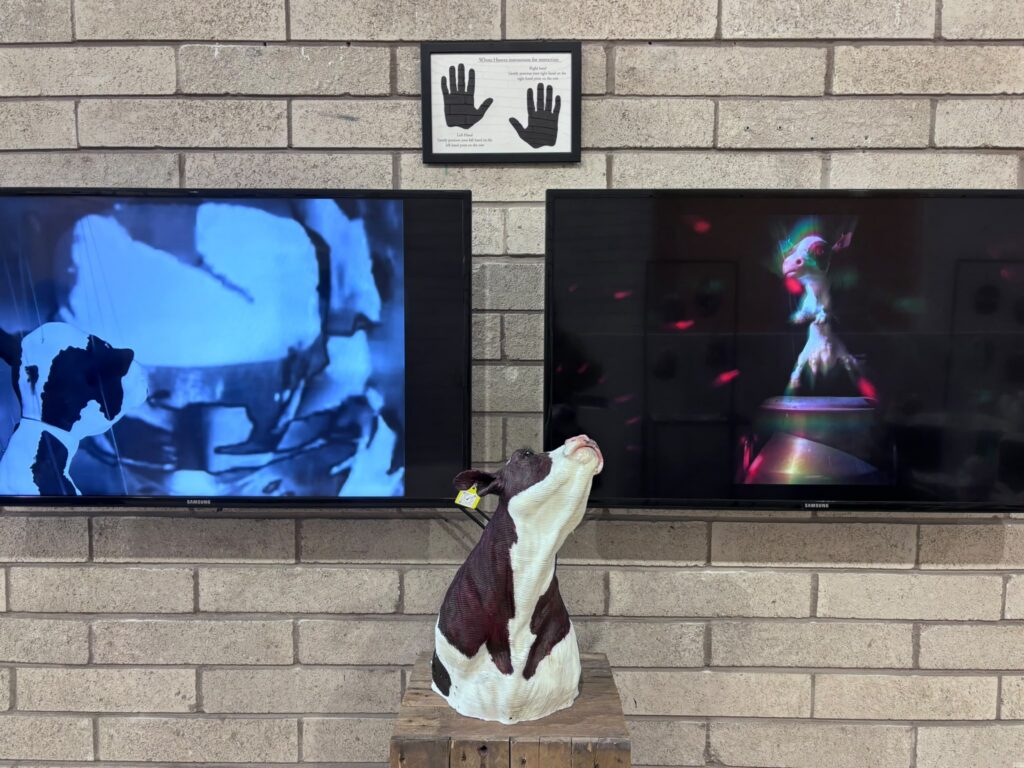
One idea that seemed to particularly resonate with Anthony was Bob’s thinking about literature as an act of excess and generosity. Literature can open up imaginative possibilities and grant animals forms of agency, freedom and experience that might otherwise be difficult to envisage. Bob suggests that this imaginative freedom is significant because our more immediate, practical engagements with animals can sometimes place limits on how we understand their lives and possibilities. Through more creative means, we can move beyond these constraints, experiment with different perspectives and imagine relationships between humans and other animals in novel ways.


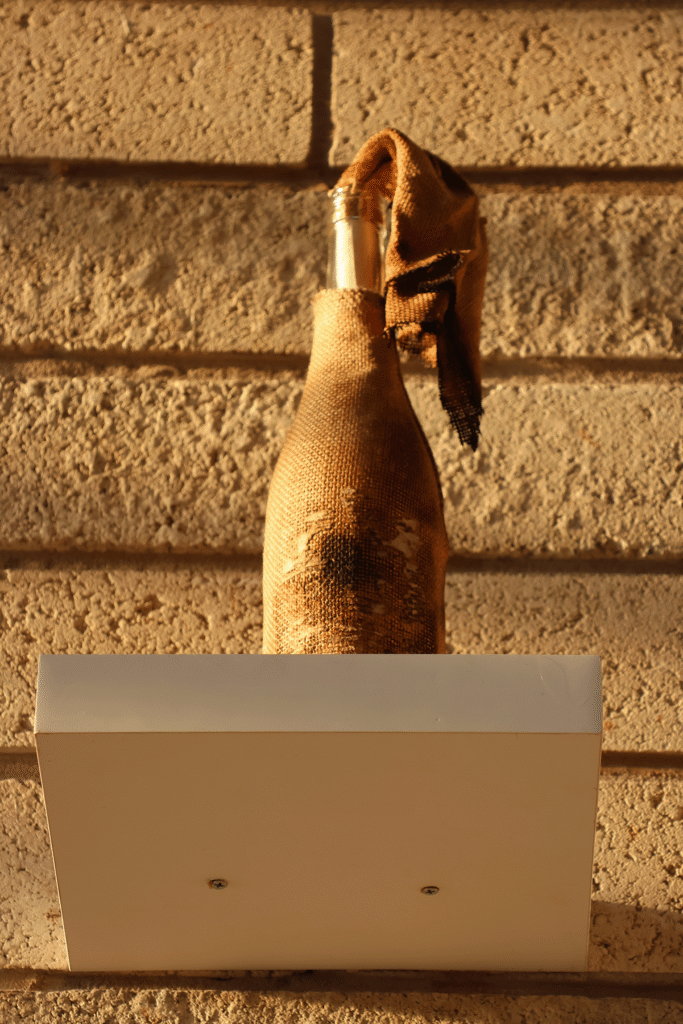
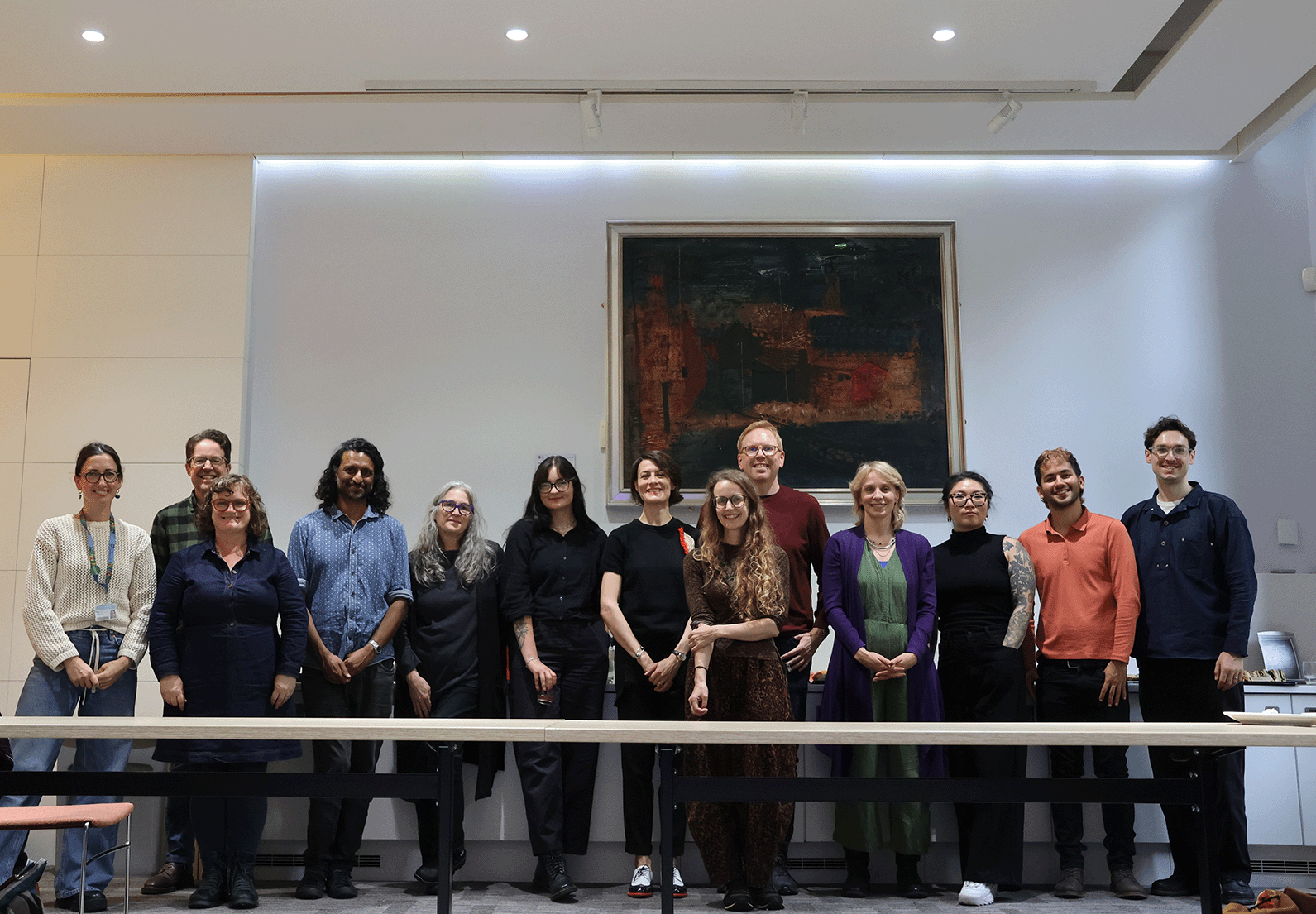
(Photos: Lucy Dunning)
This exchange between academic research and artistic interpretation is particularly valuable because it doesn’t require the two to arrive at the same conclusions. Instead, the space between them creates opportunities for new questions, unexpected connections and different ways of seeing. It is a reminder that interdisciplinary collaboration need not simply involve communicating established ideas to new audiences. It can in itself be a process of discovery in which different forms of knowledge and creative practice actively shape and challenge one another.
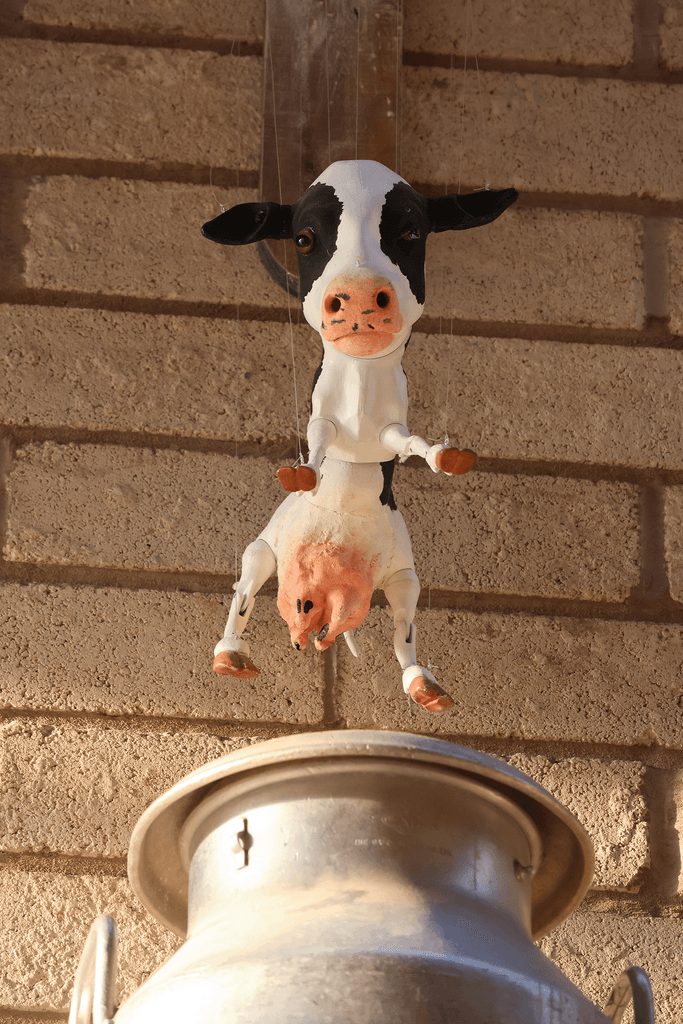
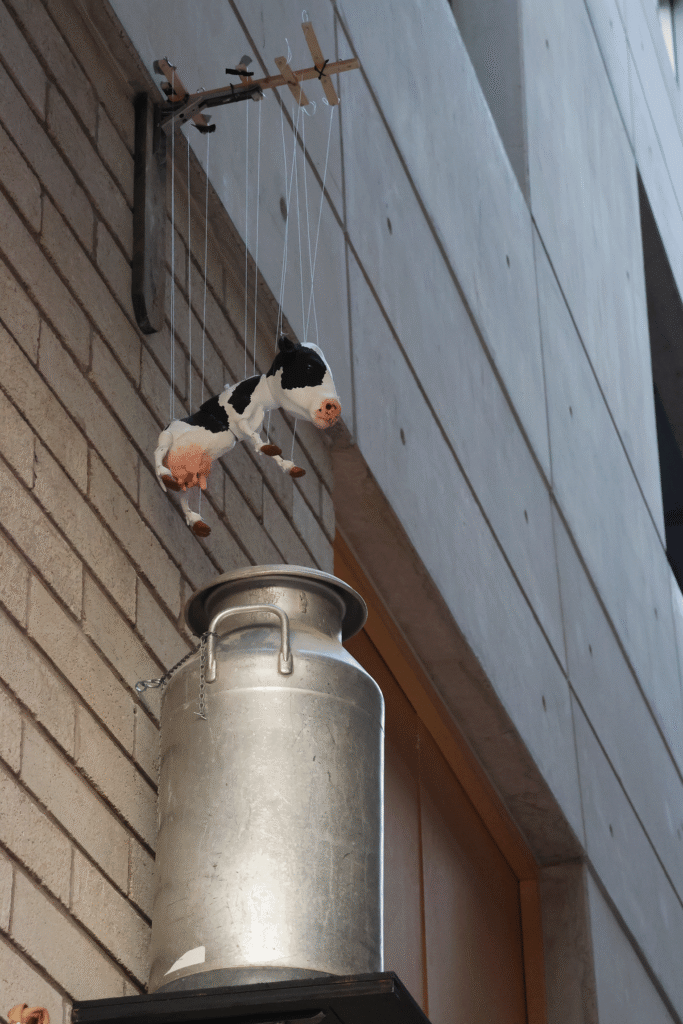
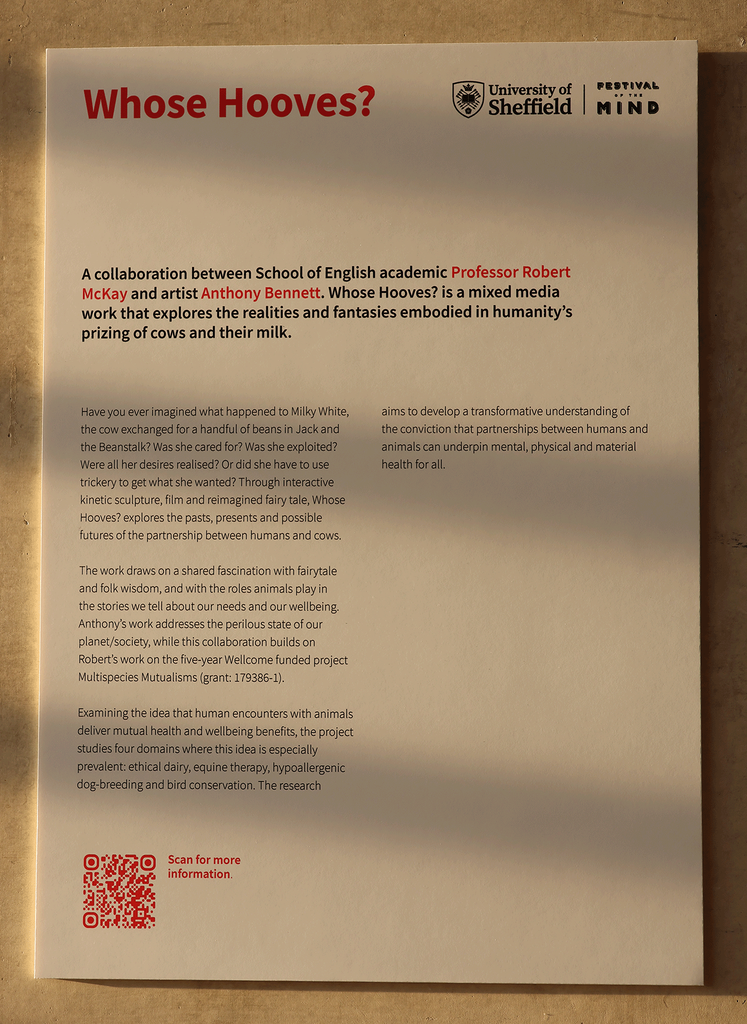
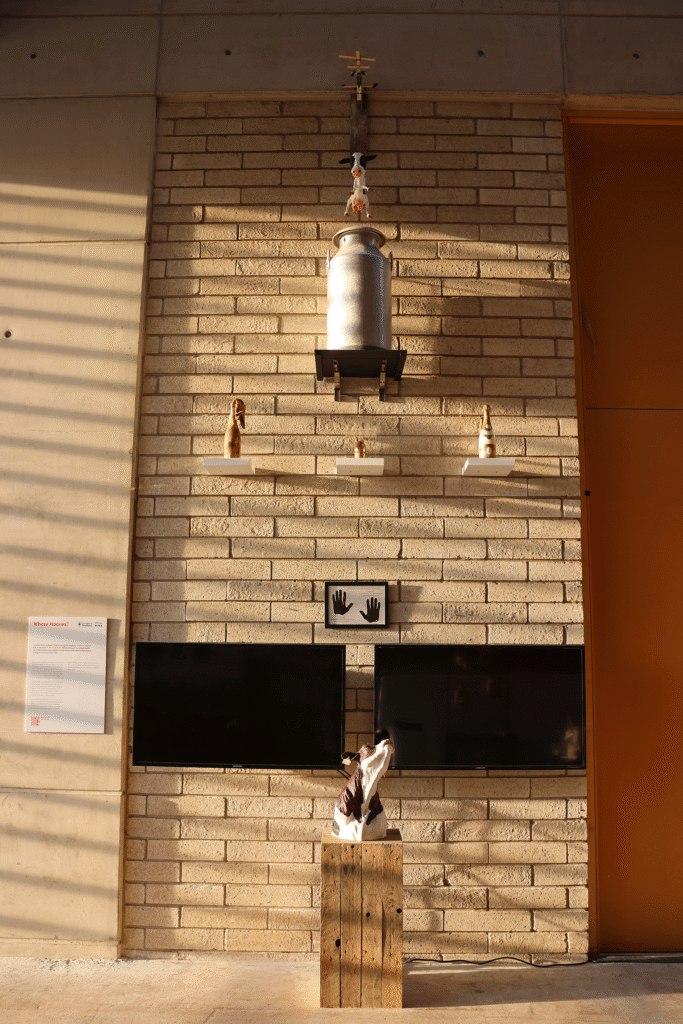
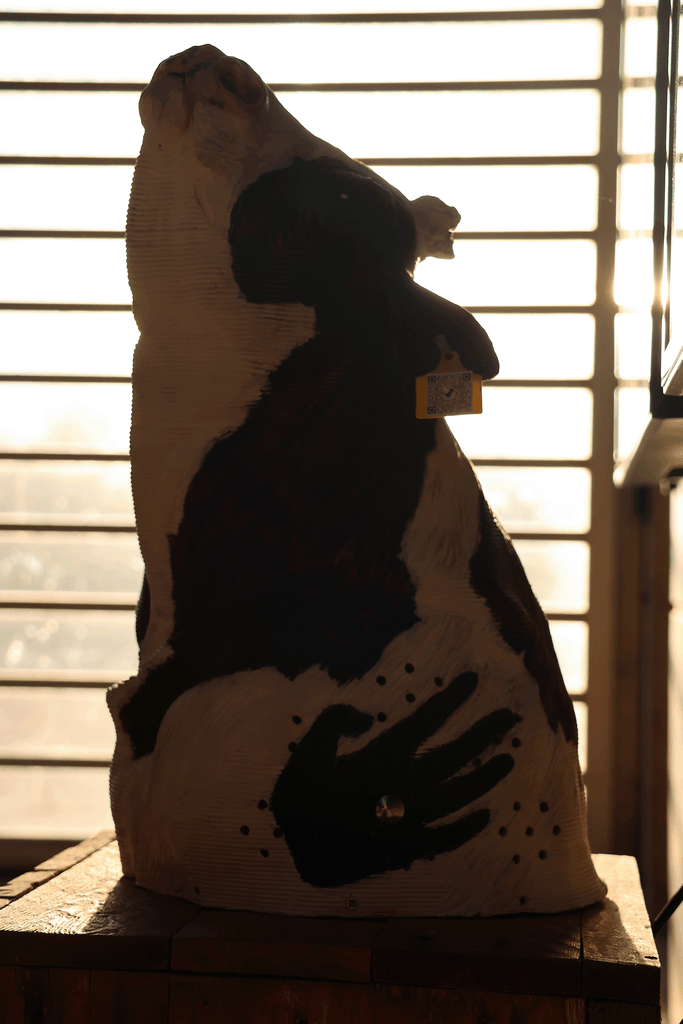
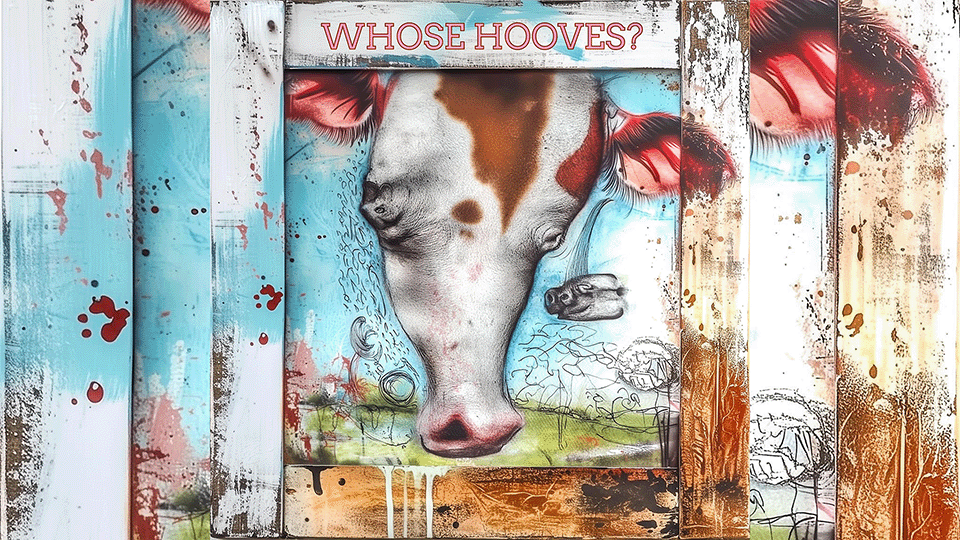
Whose Hooves? was an interactive art exhibit by artist Anthony Bennett, part of the Festival of the Mind – the University of Sheffield’s flagship and largest public engagement festival. It ran from 6-15 November 2026 at Persistence Works (Yorkshire Art Space) in Sheffield City Centre.
Watch the Whose Hooves Story Book which accompanied the exhibition on Youtube:
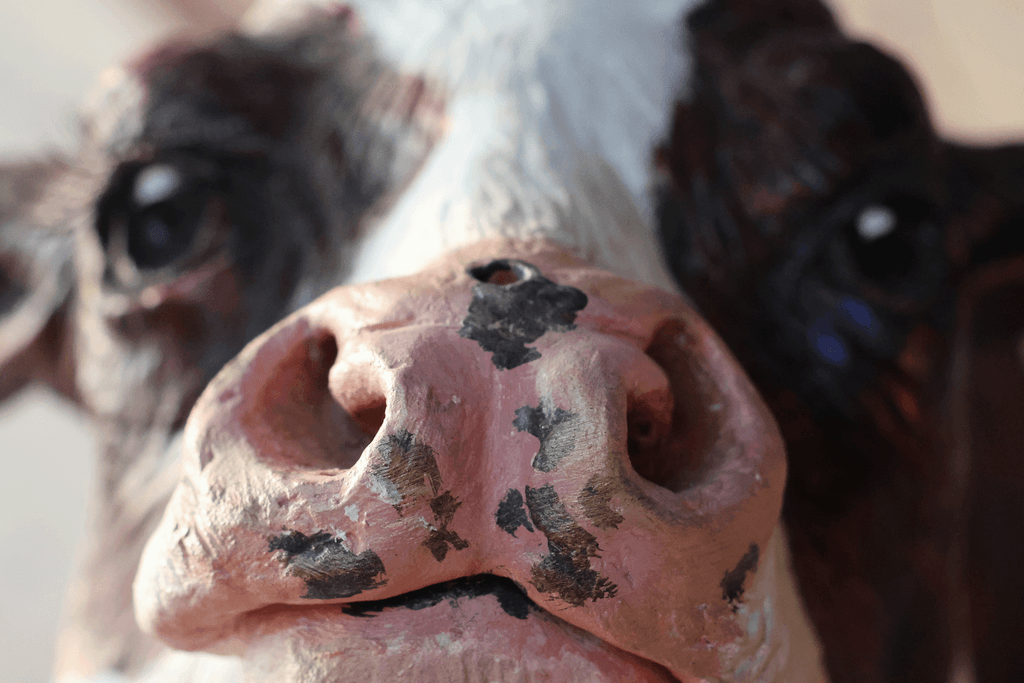
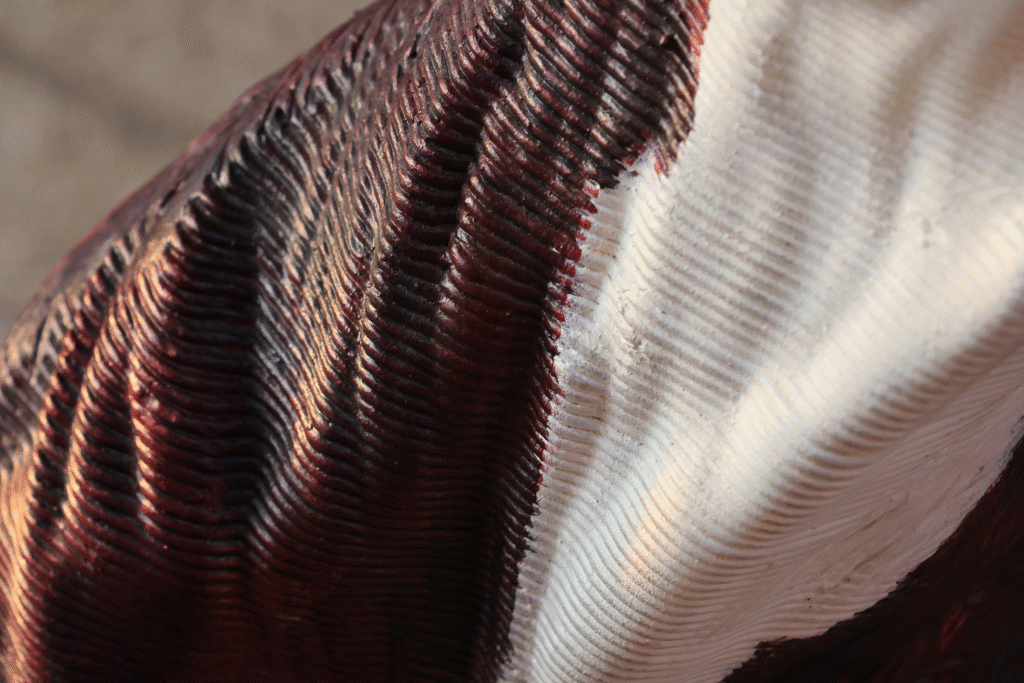
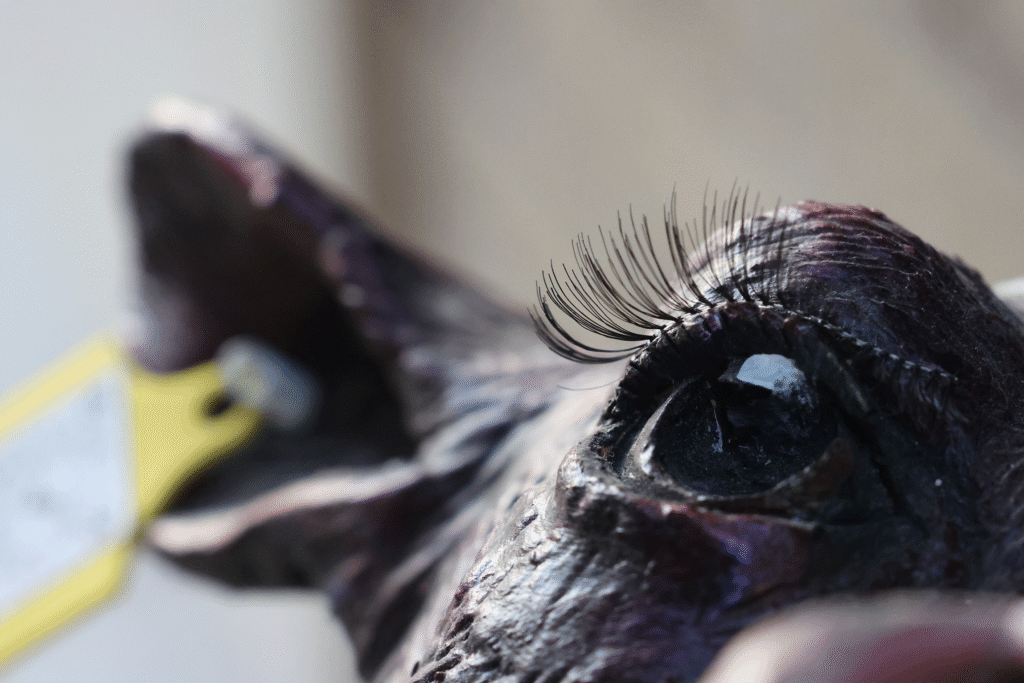
(Photos: Lucy Dunning)