The Project
Rethinking Multispecies Mutualisms
There is growing recognition that human and animal health are both entangled and in crisis, in ways that have multi-scalar impacts upon individuals, societies, and ecosystems.
What is this Project about?

Multispecies Mutualisms explores claims that relationships between humans and animals can underpin health and wellbeing for all.
This project investigates these relationships and asks whether they are truly ‘win-win’, or if such claims obscure the disadvantages and exclusions.

By studying a series of case studies, the project will develop new ways of thinking about relations between humans and animals.
Why does this research matter?

Human and animal health are increasingly recognised as deeply interconnected.
At the same time, they face growing challenges, from ecological crises to pressures on public health and wellbeing. Recently a number of initiatives have emerged that promise to solve these problems, and claim to mutually benefit the health of all of the species involved.
However, claims of mutual benefit for humans and animals are often more complex than they appear. Benefits are not always shared equally, and some people, animals, or ecosystems may be subject to hidden costs.
This project examines these tensions to better understand:
- how ideas of mutual benefit are shaped in public culture and policy;
- how different interests are negotiated in real-world interactions between humans and animals; and
- how we might build fairer and healthier relationships in the future.
How will we do it?
There are many examples of human-animal interactions which are commonly thought to benefit all involved. We focus on four areas where human-animal relationships have a close link to health:
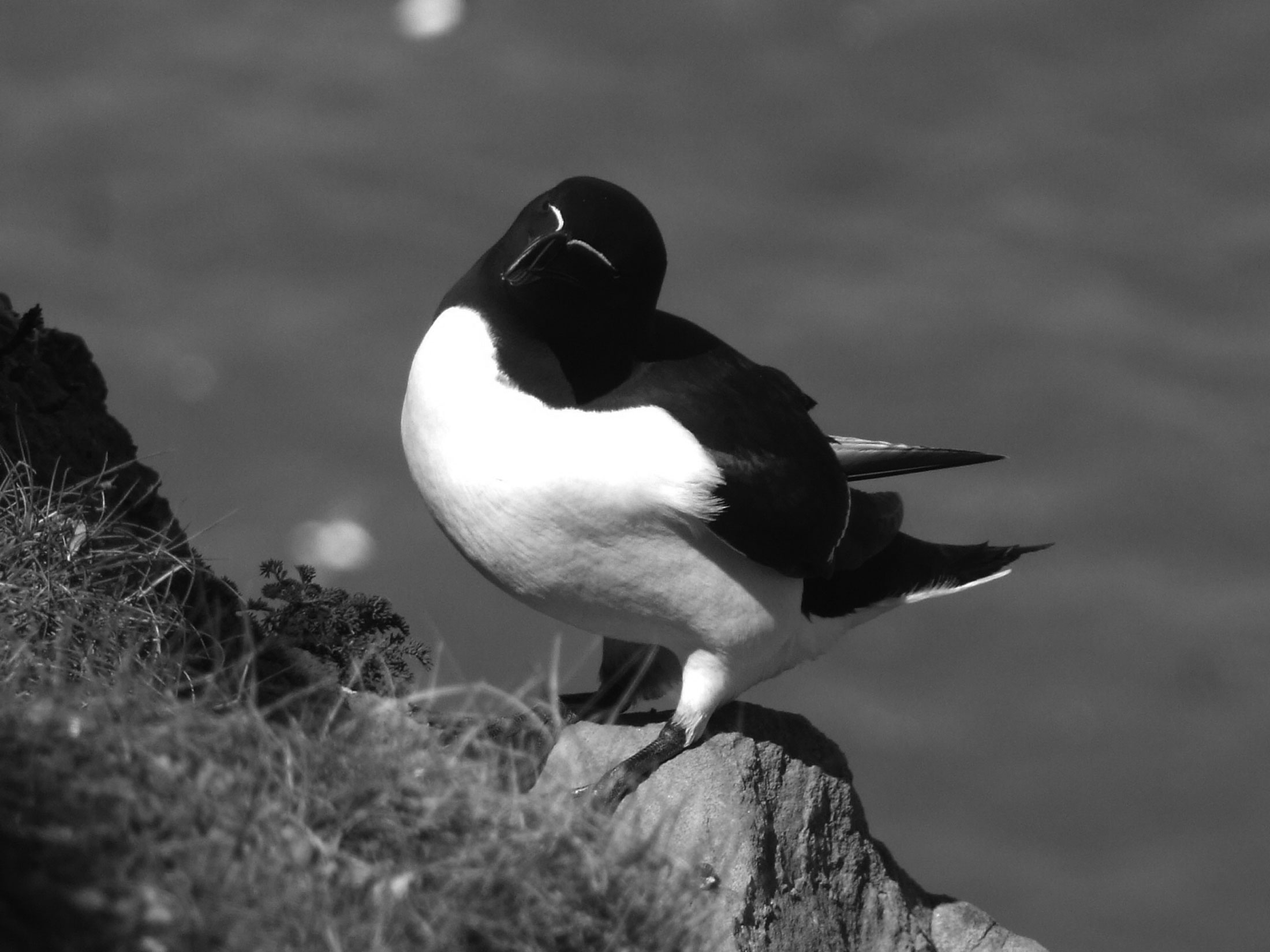
- Health in Conservation: Nature cures and bird conservation;
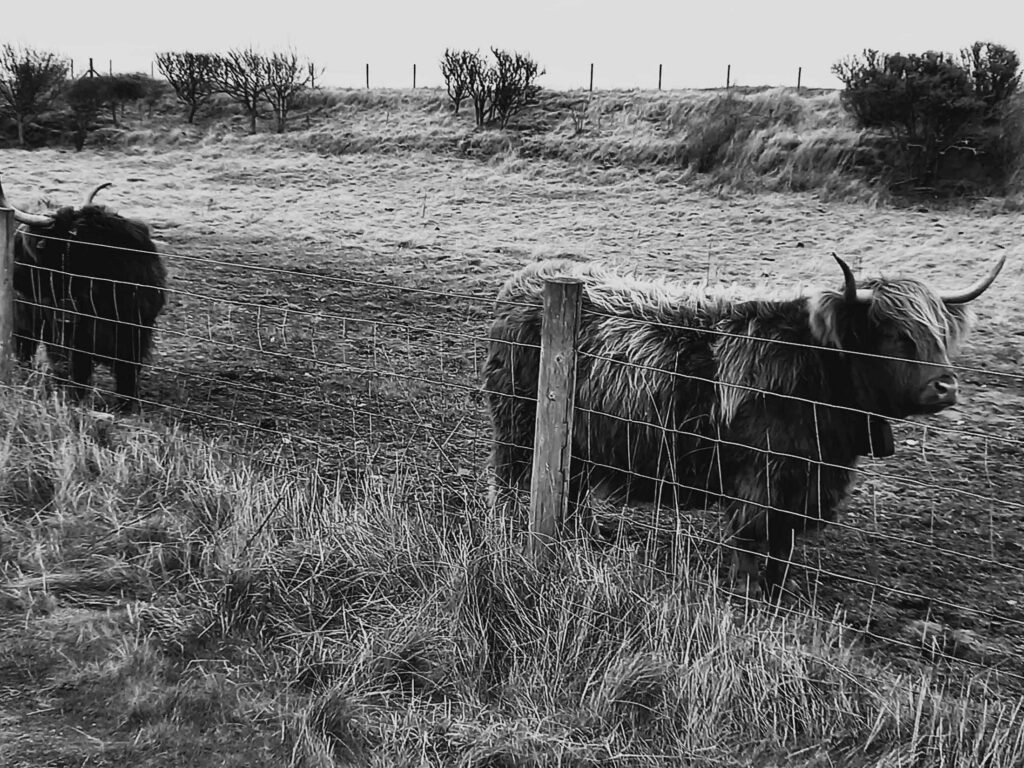
- Health in Diets: Ethical dairy production;
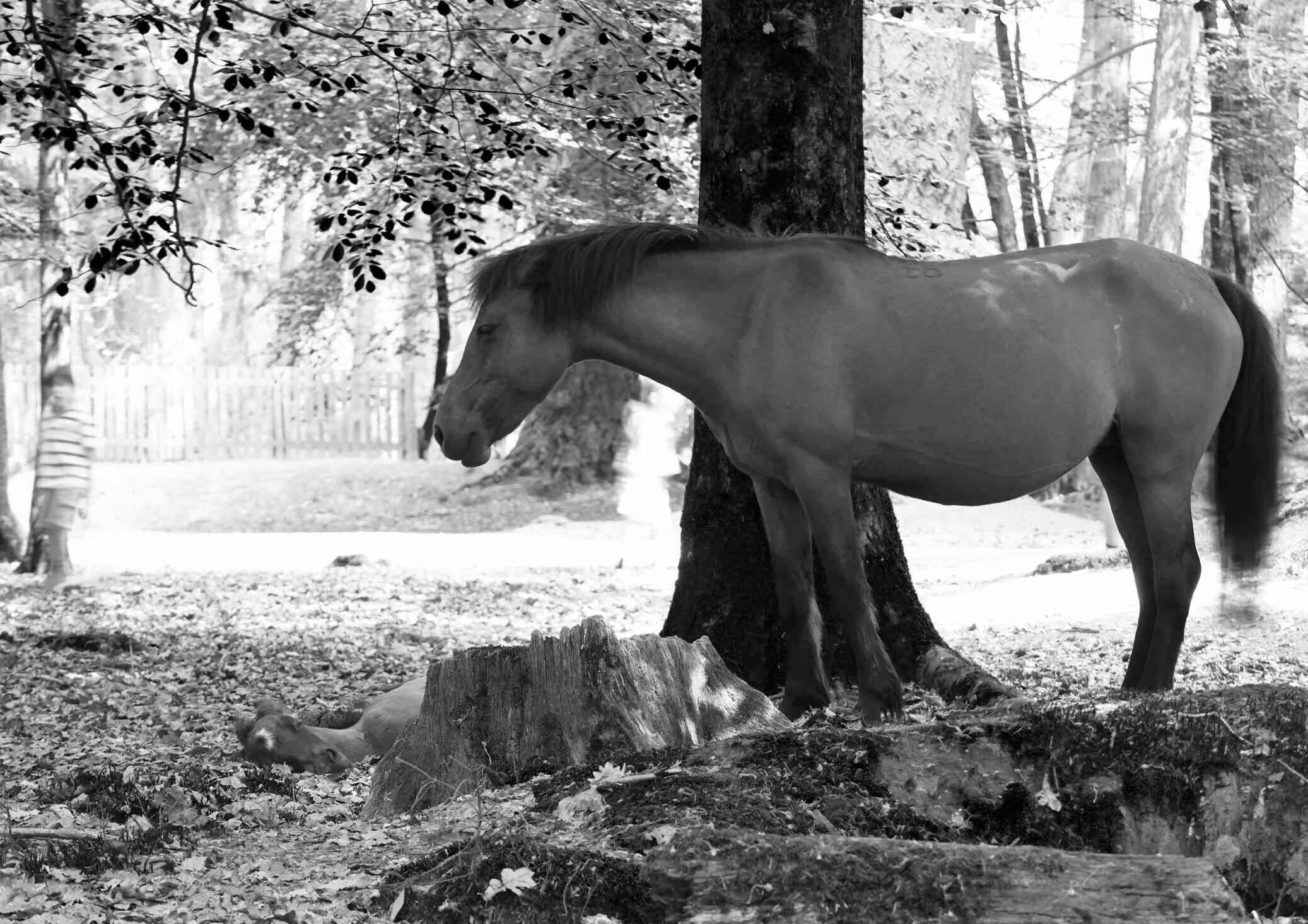
- Health in Therapeutic Practice: Equine therapy;
- Health at Home: Hypoallergenic dog breeding.
Our team will analyse how these relationships are represented in media and culture, and how they work in practice through interviews, observation, and creative research methods.
Insights from these studies will inform new theoretical approaches to multispecies mutualism and help shape future thinking about health across species.
Case Studies
Through four case studies, Multispecies Mutualisms interrogates how mutual benefit is constructed, contested, and practised, developing new insights and frameworks for more equitable, sustainable multispecies futures.
CASE STUDY
Health in Conservation
Nature cures and bird conservation
The idea that being in and experiencing nature is beneficial for human health has become a prevailing and uncontested narrative. By examining nature writing alongside practices such as habitat restoration and bird conservation, this research investigates how these win-win narratives are constructed and experienced. It also asks who gets access to these benefits, and at what cost to others. Through critical analysis of how mutualism is imagined and practised in conservation, it reveals both the promise and the inequalities embedded in nature-based approaches to health.

CASE STUDY
Health in Diets
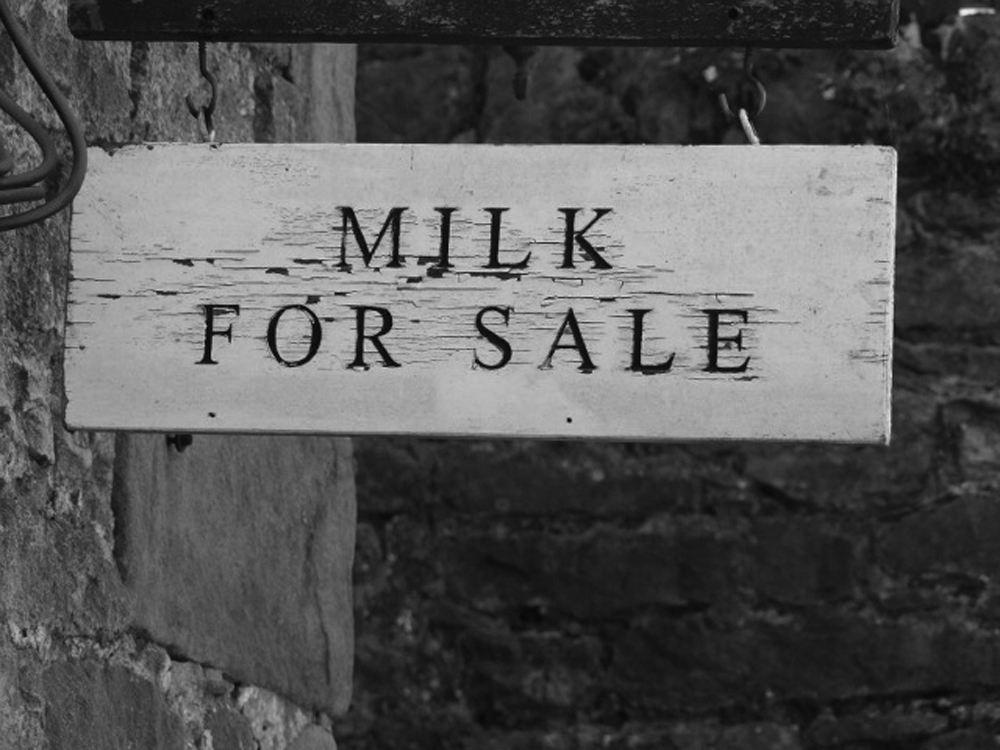
Ethical dairy production
This case study examines how human, animal, and environmental health are intertwined within contemporary food systems. It explores cultural narratives such as fiction, memoir, films and journalism alongside everyday practices on farms. The research investigates how ideas of shared wellbeing between people and cows are constructed, challenged, and lived in practice, particularly in the context of economic pressures and environmental change.
CASE STUDY
Health in Therapeutic Practice
Equine therapy
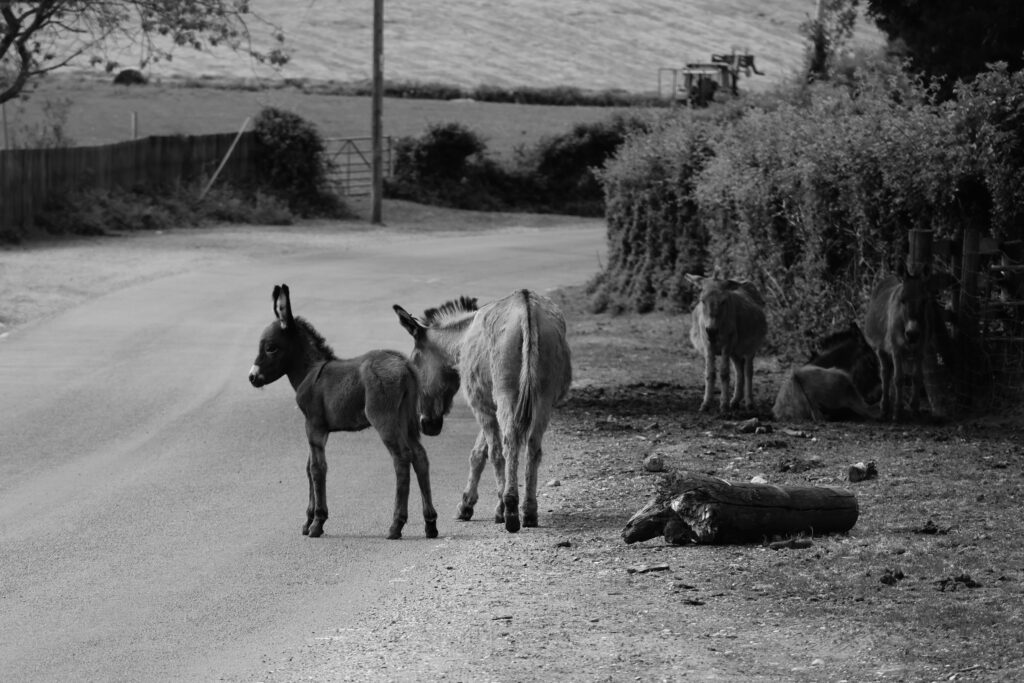
Animals are used in a range of ways to assist humans with particular health conditions, where human health benefits are often framed as mutually beneficial for animals. Through analysis of therapeutic narratives and immersive fieldwork in equine therapy centres, this case study explores how these relationships are understood. It considers both the opportunities and ethical tensions involved in positioning animals as partners in care, including questions about labour, wellbeing, and consent.
CASE STUDY
Health at Home
Hypoallergenic dog breeding
Centred on the rise of hypoallergenic dog breeds, this case examines how companion animals are increasingly shaped by ideals of human health and lifestyle. It analyses digital cultures, breeding practices, and everyday experiences to understand how healthy human–dog relationships are imagined and enacted. While these breeds are often promoted as ideal companions, the dramatic rise in demand for hypoallergenic dogs has also generated new challenges. From concern about animal welfare to increased pressure on urban green space, the case study will explore new understandings and conflicts about how best to care for ‘man’s best friend’.

See how insights from these case studies are shaping the project.
Discover new publications, creative work, events and insights emerging from the project