Documenting Ethical Dairy: A New Film about Cow-with-Calf Farming
Dominic O’Key watches a new documentary about cow-with-calf dairying
Dominic O’Key watches a new documentary about cow-with-calf dairying
Key Contact
In October, Dominic O’Key travelled up to Alnwick Playhouse to attend a screening of a new documentary, A Dairy Story, featuring a post-film Q&A session with farmers David Finlay and Charles Ellett.
The documentary tells the story of how a husband and wife team decided to change the way they practiced dairying at their farm in Castle Douglas. Rather than following the conventional wisdom of separating cows from their calves, Wilma and David Finlay instead introduced an experimental method: cow-with-calf dairying.
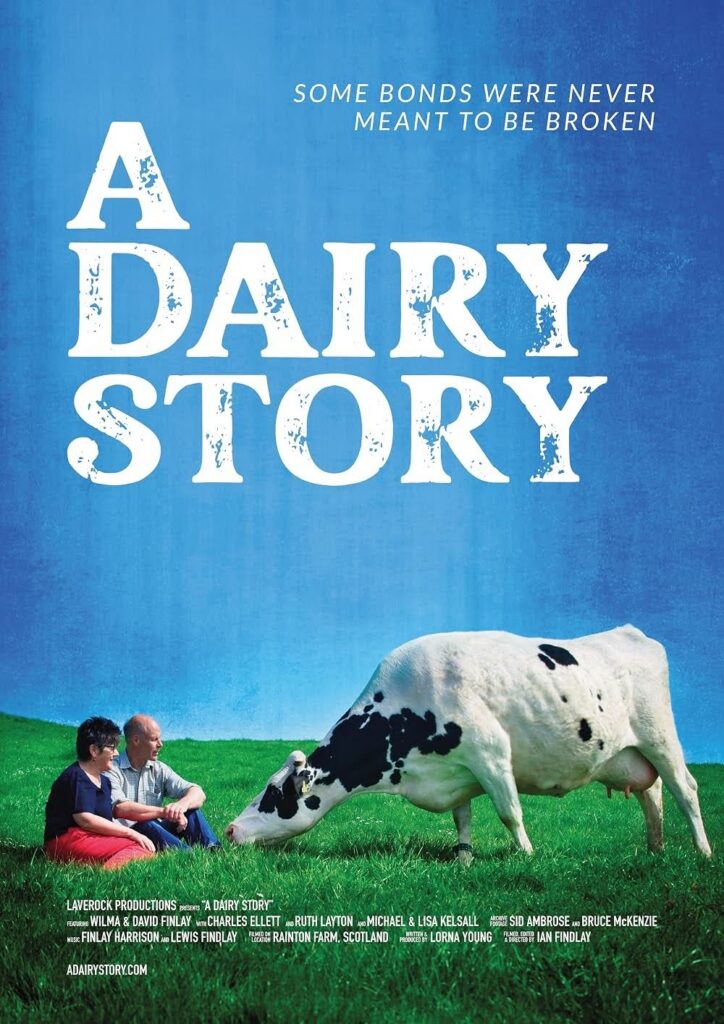
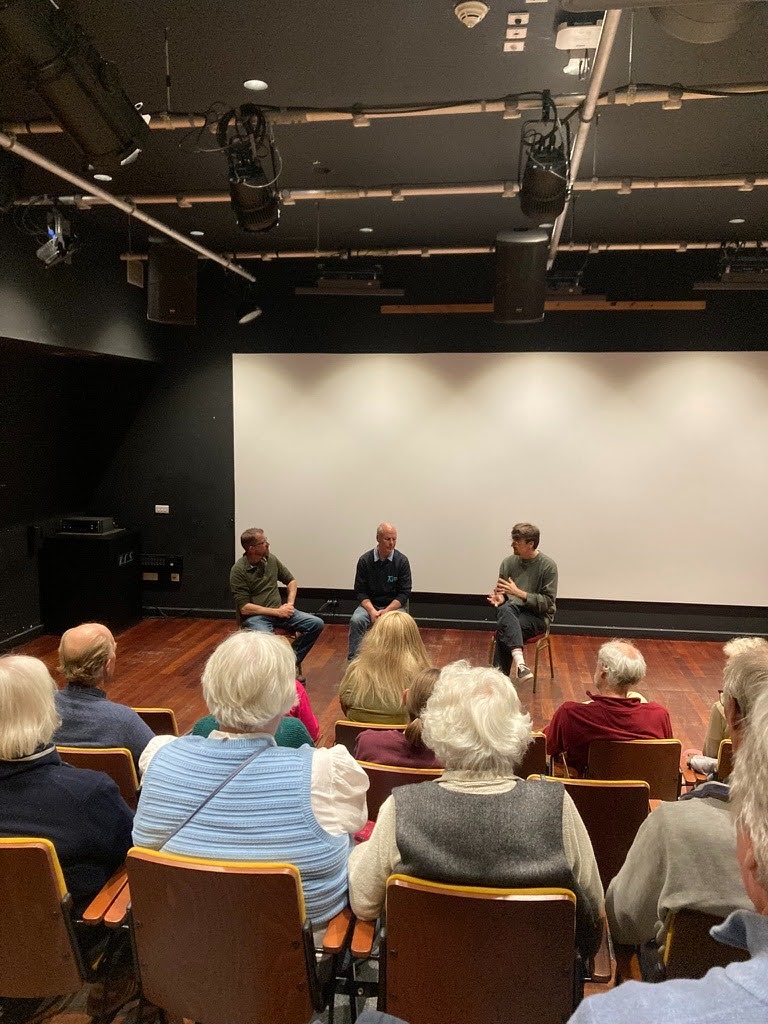
Based on a co-written book of the same name, the film suggests that having dairy cows raise their calves brings mutual benefits for health, economy and ecology. Although the film demonstrates some of the numerous challenges that a small family-run estate faces when abandoning intensive milking systems – from declining yields to criticism from the farming community – its talking heads nevertheless insist upon both the moral necessity and practical advantages of cow-with-calf dairying. As David emphasised in the Q&A when fielding questions about feasibility, it is better for the lives of individual cows and calves, for how those individuals relate to the herd, and for how the herd relates to and works with the farmers.
Even so, David is the first to acknowledge the limits of this approach. Towards the end of the documentary he describes their development of cow-with-calf dairying as “not perfect, but it’s a compromise”. Thus for as much A Dairy Story makes claims about the mutual benefits of a more ethically-conscious dairying, it also portrays these practices as forms of concession and loss.
A Dairy Story is therefore a striking example of how ideas about multispecies mutualism are constructed through practices and representations. After asking themselves some searching questions about animal health and welfare (How do cows experience intensive dairying? Are there more humane ways to farm? And what might cows and farmers gain from doing so?), the Finlays not only adapted the way they farmed, but have since sought to communicate this adaptation to different audiences and generate public conversations about the future of dairy – discussions that continued long after the Q&A had finished.