Shaping Conservation through Fairytales and Folklore
forging stronger relations between nature and young people
forging stronger relations between nature and young people
Key Researcher
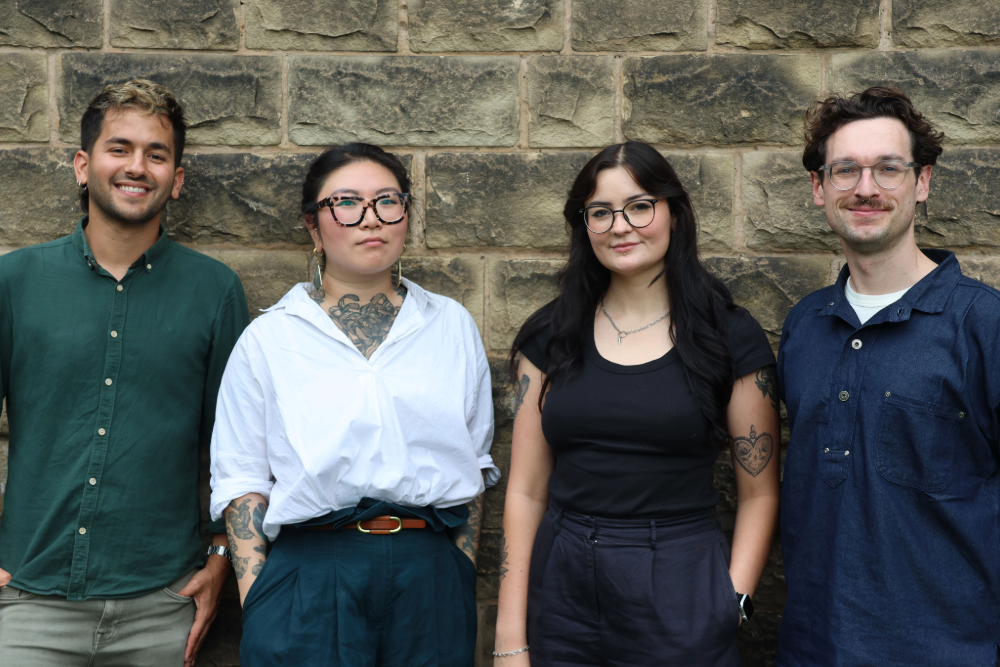
Dot Williams will be working with Rosaleen Duffy during July and August as part of the University of Sheffield SURE Scheme; this provides undergraduates with funding to pursue a research project during the summer of their second year. Dot is currently an undergraduate in Biosciences, and is moving across to Sociological Sciences, Politics and International Relations to develop a genuine interdisciplinary piece of work.
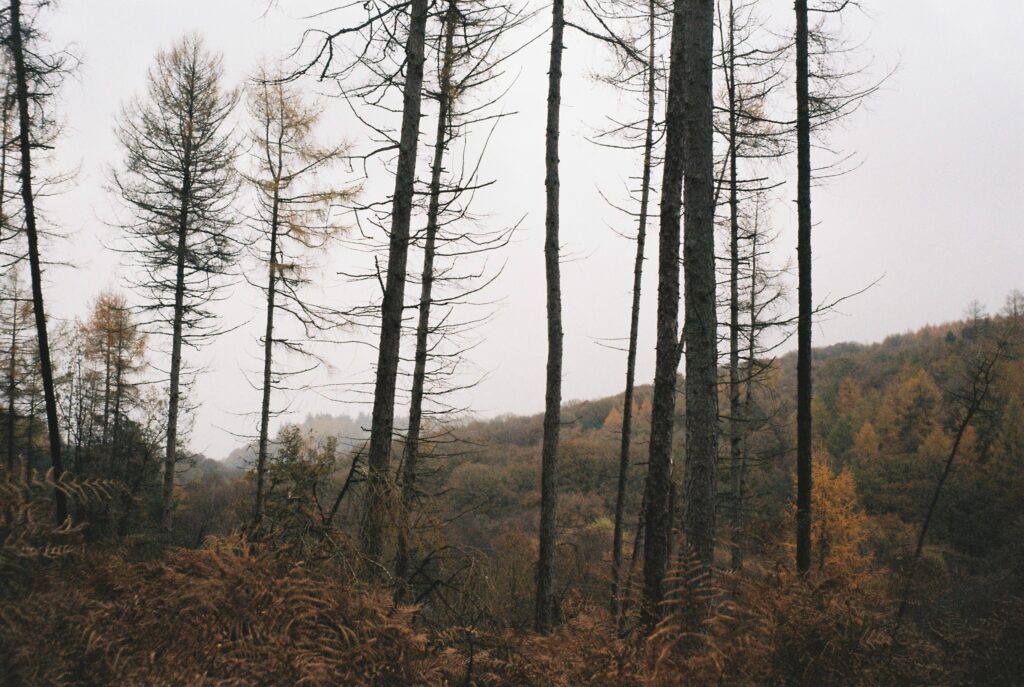
Sustainable environmental care often begins with emotional attachment to our local landscapes. Such attachment is often shaped through storytelling and in England, fairytales and folklore have historically contributed to perceptions of ancient woodland as places of mystery, magic, and protection. However, as ancient woodland continues to decline, many contemporary local green spaces lack similar cultural narratives that encourage care and engagement.
My project will explore how European folklore, and fairytales have historically contributed to the cultural protection and significance of local landscapes, particularly woodland, and whether similar narrative-based approaches could be adapted to strengthen young people’s emotional connection to modern woodlands and green spaces in the UK. It asks: what narrative elements reoccur in European folklore/fairytales which have shaped perceptions of woodland as meaningful, protected spaces, and how could they be adapted to foster stronger emotional connections to local green spaces among young people in the UK? How might these strategies be reinterpreted to reframe local green spaces as sites of wonder rather than as “ordinary” or disposable, to contemporary young people? Using discourse analysis, I will examine how European folklore and fairytales associated with woodland and landscape use recurring narrative elements – such as magic, animals and moral symbolism to construct woodlands as mystical places full of wonder and excitement, worthy of protection. These findings will then be used to explore how similar approaches might help reconnect young people with the green spaces they encounter in everyday life.
The main output of the project will be a visual research poster designed as a story map, linking identified narrative elements to contemporary landscape features that could be recognised by young people today. The poster will demonstrate how storytelling could help reframe familiar landscapes as places of wonder, imagination and care rather than as ordinary or expendable environments. The project will be taken to conferences with the aim of sharing the research within conservation and environmental humanities communities, exploring the role of stories in fostering meaningful relationships between young people and their local green spaces in the UK.