Albatross Lecture 2026: Nature, Climate Justice and Access
Reimagining Who Environmentalism Is For
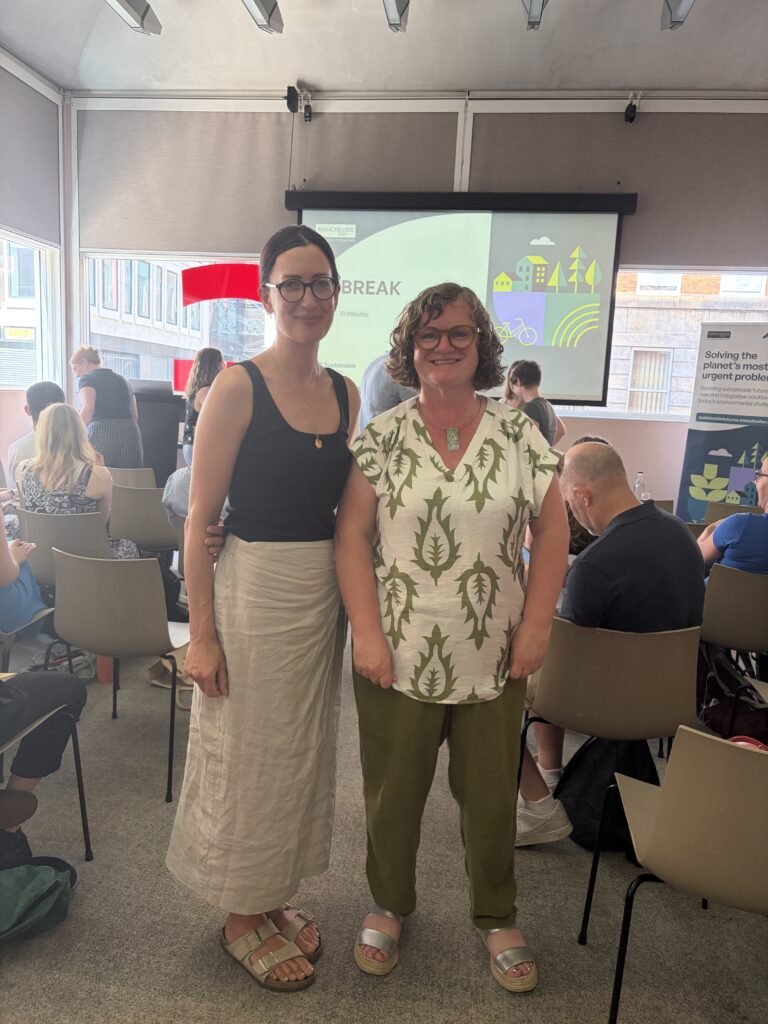
On 24th June, Rosaleen Duffy and Lucy Dunning attended the 2026 Albatross Lecture, part of the Sustainable Futures Group events collection. The event took place on one of the hottest days of the year, providing a particularly powerful backdrop to discussions on climate change, environmental justice, and the urgent need for collective action.
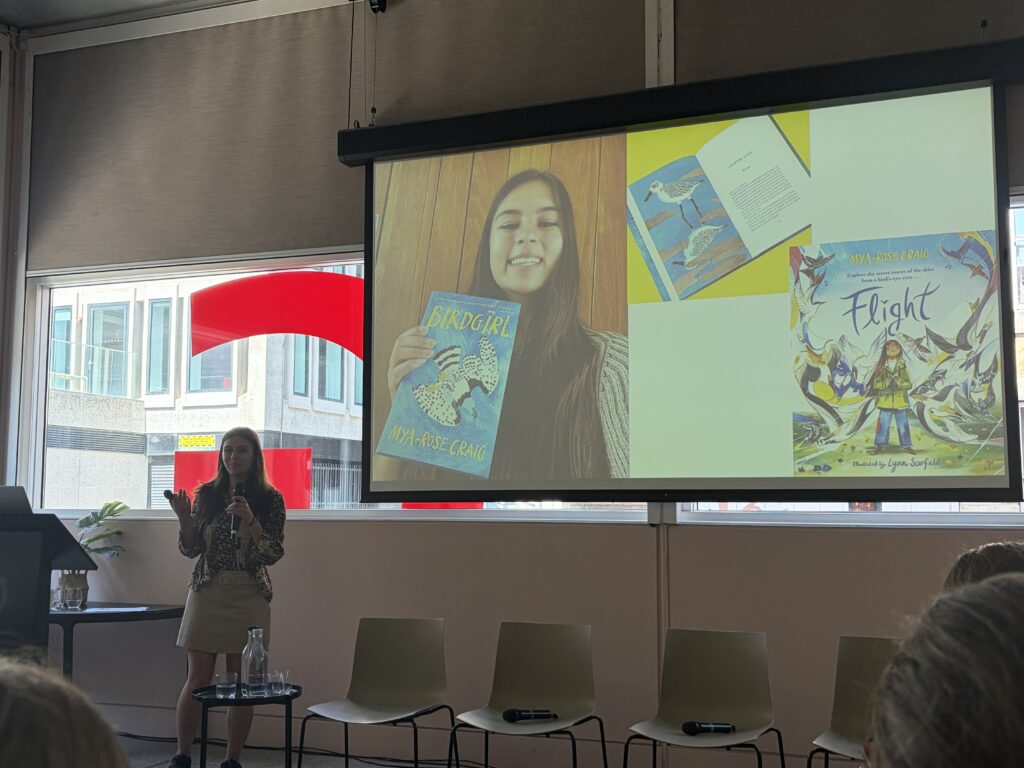
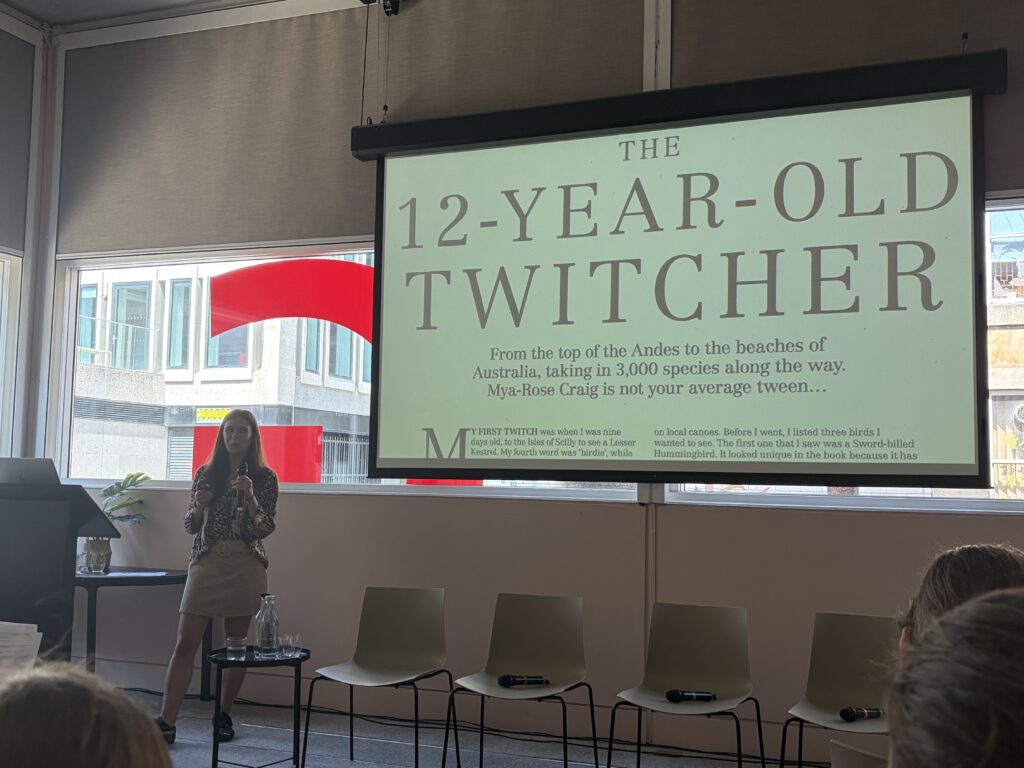
The keynote was delivered by Dr Mya-Rose Craig, also known as “Birdgirl”, who drew on her experiences as a young birder, conservationist, and activist. She reflected on how deeply birdwatching has been embedded in her life, recalling that “…at only 9 days old, I went on my first birdwatching trip…”. Building on this foundation, she spoke about how her lifelong connection with birds and nature shaped both her activism and her commitment to environmental justice, particularly her focus on widening access to nature and ensuring environmental spaces are inclusive and welcoming to all communities.
Dr Mya-Rose Craig also discussed mental health benefits people associate with birdwatching and nature in general, drawing on observations from her own family that she witnessed from a very young age. She spoke of her mother’s bipolar disorder, and how, during periods of difficulty, her mother found solace in nature through intense birdwatching adventures across the globe. She went on to describe how engagement with the natural world, and particularly birdwatching, seemed to offer her mother relief and support in managing the challenges of her illness.
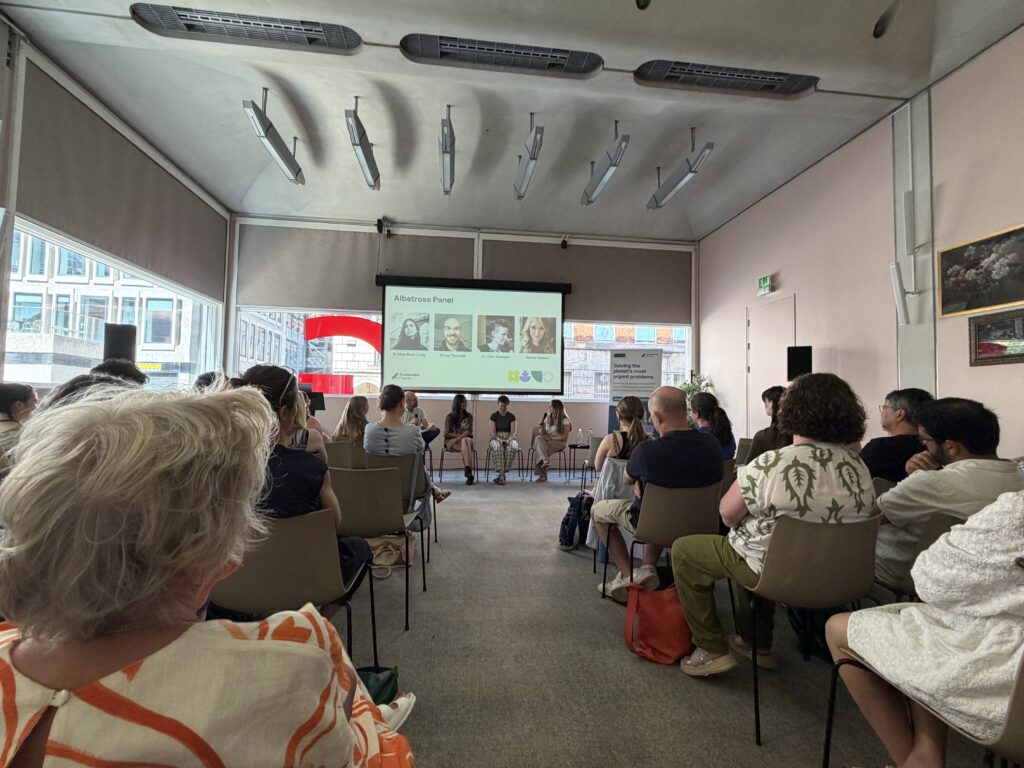
Dr Mya-Rose Craig’s keynote set the foundation for a thoughtful panel discussion comprising Dr Ian Thornhill (Senior Lecturer in Planning and Environmental Management), Dr Clara Dawson (Senior Lecturer in Victorian Literature), and Becky Owens (a wildlife and conservation graduate, working at Walk Wheel Cycle Trust). The panel offered a range of insights and perspectives on the role of universities, NGOs, and grassroots movements in advancing climate justice and broadening access to nature.
It was a valuable opportunity to connect with others working towards shared goals around conservation, inclusion, and climate justice; and to reflect on how research, practice, and activism can come together to support meaningful environmental change.